Containment-first work
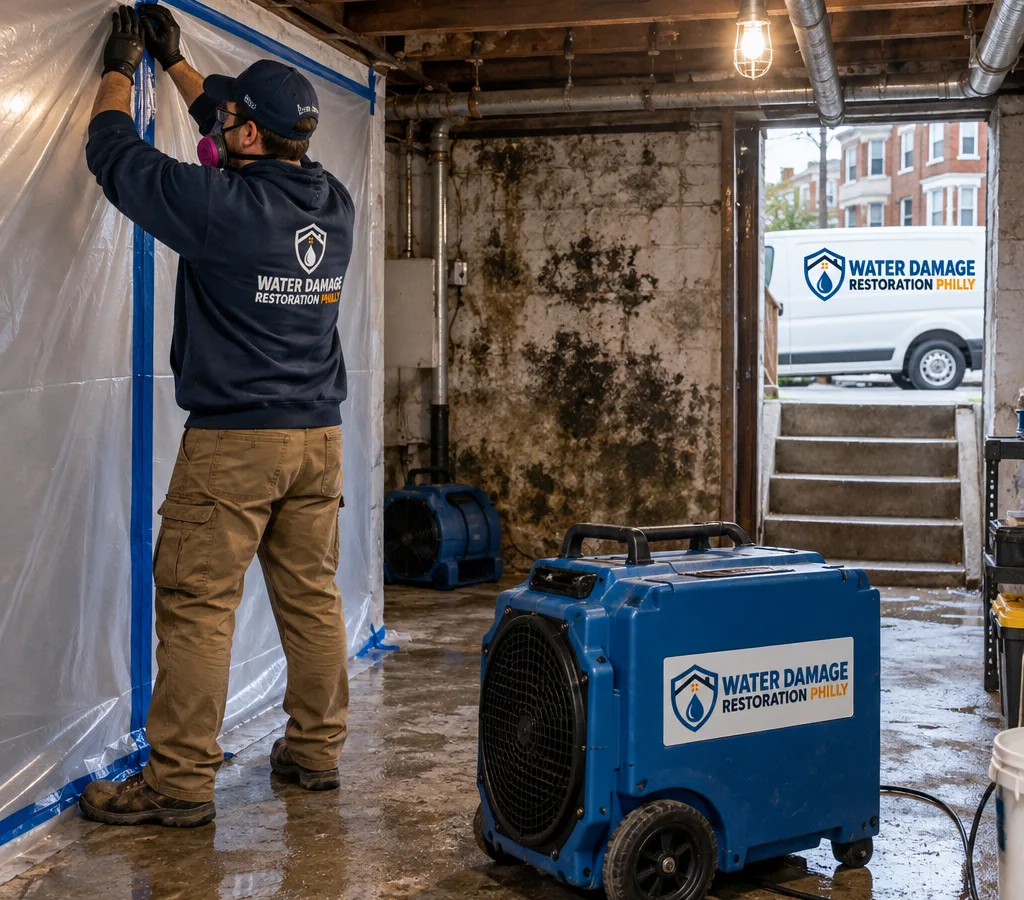
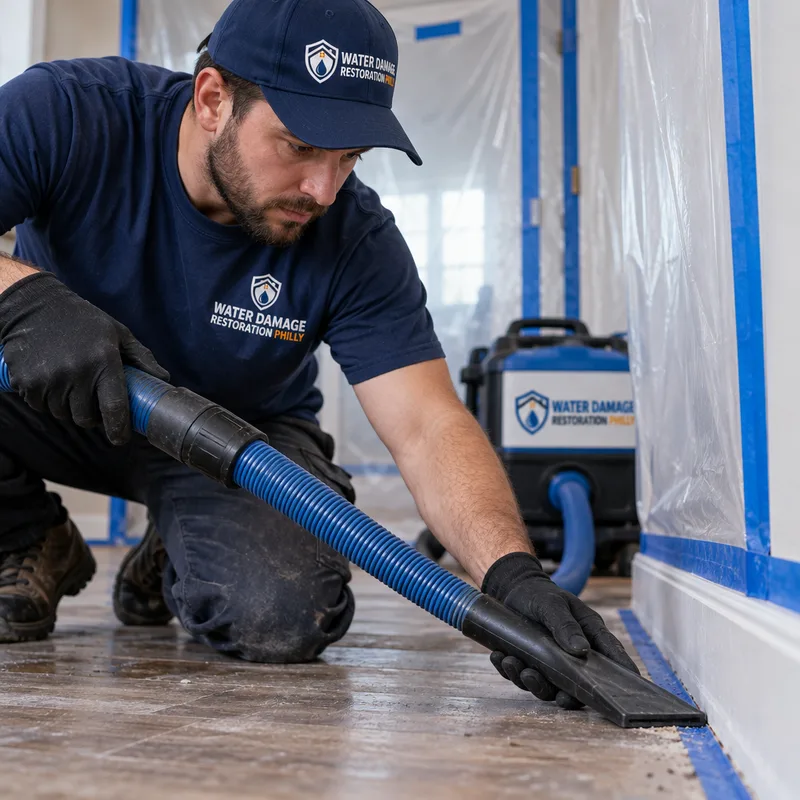
We isolate the affected area before demo or cleaning starts, using barriers and HEPA filtration to control spore movement through the building.
Serving Philadelphia, Pennsylvania & surrounding areas
24/7 Emergency Response
If you smell musty odors, see staining, or have had recent water leaks, our local crew helps you stop mold at the source with safe containment, careful removal, and a clear plan for keeping it from coming back.
Mold remediation is the full process of finding where mold is growing, controlling the spread, removing contaminated materials when needed, cleaning what can be saved, and correcting the moisture problem that allowed growth in the first place. A quick surface wipe might make a spot look better for a week, but it does not handle the hidden source behind walls, under flooring, or in damp basements.
For mold remediation in Philadelphia properties, the most important first step is containment. Philadelphia housing often includes older brick rowhomes and twins with finished basements, additions, or patchwork renovations that can hide leaks for a long time. Our approach starts with isolating the work area and running HEPA-filtered air scrubbers so spores are pulled out of the air instead of drifting through your home or business.
Our mold remediation service commonly includes:
If the mold was triggered by a recent leak or flood, many customers start with a broader moisture response first. Our team can also help make sure the building is dry and stable before rebuild decisions are made.
Effective mold removal in Philadelphia depends on controlling air movement, working methodically, and treating the cause, not just the staining.
Inspection and scope. We look for the wet area that fed the growth and the likely paths mold took, including behind baseboards, around window heads, in basement framing, under vinyl flooring, and inside drop ceilings. We document what is visibly affected and what is likely affected based on moisture readings and building layout.
Containment before disturbance. Plastic barriers, sealed registers when needed, and HEPA air filtration keep a small problem from becoming a whole-building cleanup.
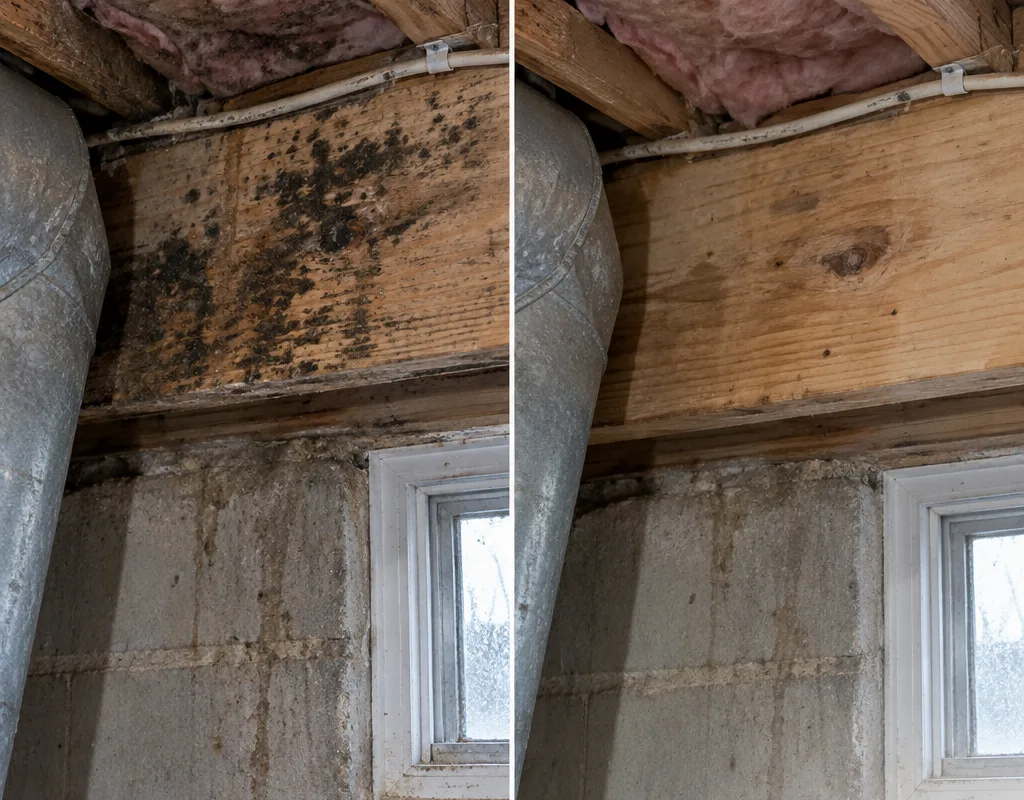
Selective material removal. Porous materials that are heavily colonized are often best removed because they keep releasing spores. Non-porous and semi-porous surfaces may be cleaned and treated depending on condition.
Detailed cleaning and filtration. HEPA vacuuming and damp wiping capture spores instead of spreading them. Air scrubbers run during the work and, depending on the scope, for a period afterward.
A moisture-fix plan. We explain practical next steps, whether that means plumbing repair coordination, improved ventilation, sealing minor entry points, or correcting condensation.
If you are in a rowhome with a shared wall or a tight basement stair, access and containment planning matter. In dense areas such as South Philadelphia and parts of Fishtown, we pay extra attention to keeping work contained within your unit and maintaining safe pathways.
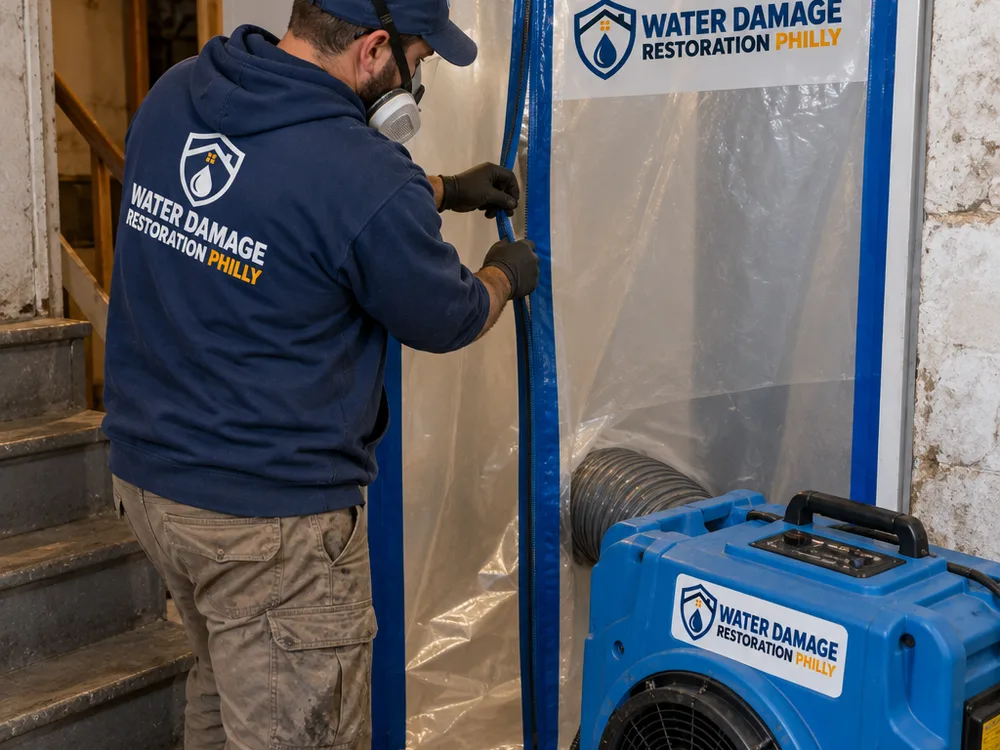
We isolate the affected area before demo or cleaning starts, using barriers and HEPA filtration to control spore movement through the building.
We focus on why the mold grew, such as leaks, seepage, or condensation, because removal without moisture control leads to repeat growth.
Drywall, insulation, and carpet padding often need removal; framing, masonry, and some finishes may be cleaned and treated when structurally sound.
You get an explanation of what is affected, what is being removed versus cleaned, and what needs to happen next to keep the area dry.
Philadelphia properties can include older basements, tight access, and mixed old-and-new construction. We plan for staging, debris movement, and ventilation constraints.
Mold remediation in Philadelphia typically ranges from about $1,000 to $3,500 for smaller, contained areas, while larger or multi-room projects often run $4,000 to $10,000+ depending on demolition needs and how far the growth has spread. A limited bathroom or laundry-area cleanup may sit at the low end, while a basement with wall removal, insulation disposal, and extended air filtration lands higher.
Final pricing depends on the square footage of affected materials, how much is porous, access constraints, containment complexity, and whether there is an active leak that must be corrected first. Exact cost is confirmed after an on-site inspection and a written scope.
We start with a walkthrough of the affected areas, ask about recent leaks or humidity issues, and identify likely hidden spread based on building layout.
Before any disturbance, we plan barriers, negative air when needed, and safe pathways for debris removal so the rest of the property stays protected.
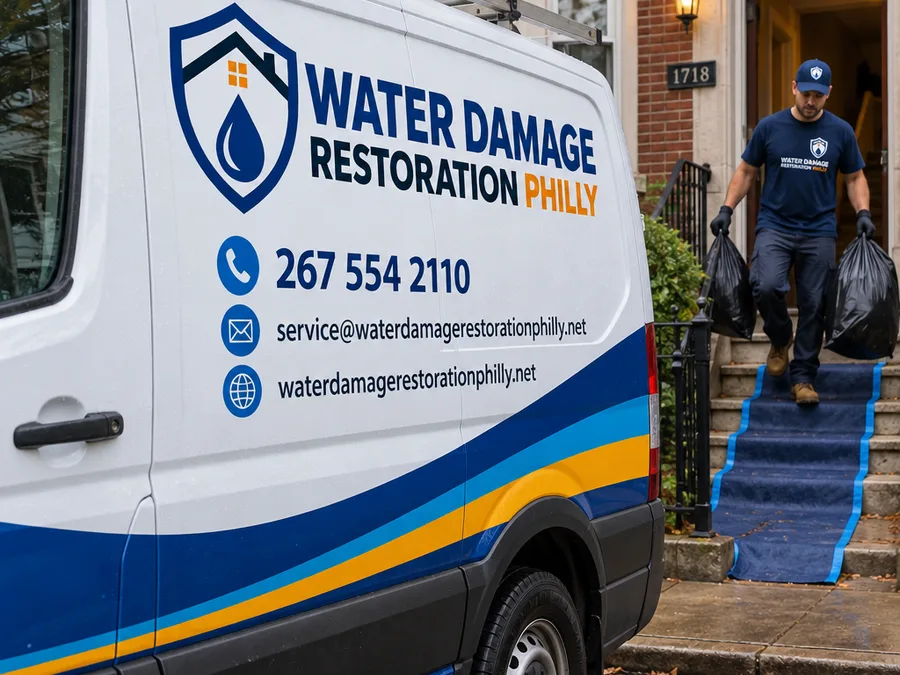
When drywall, insulation, or flooring cannot be reliably cleaned, we remove and bag it for proper handling while keeping the work area controlled.
We HEPA vacuum, wipe, and treat appropriate surfaces based on material type and condition, with air scrubbers running to capture airborne spores.
We confirm moisture is under control and explain what to change next, such as ventilation improvements, dehumidification strategies, or follow-up repairs.
Tell us what you are seeing and where it is happening, and we will schedule an inspection to confirm the source, define containment, and provide a written scope for mold removal in Philadelphia.